
Root Causes of Breast Cancer No One Talks About
Breast cancer is often treated as random, but biology tells a different…

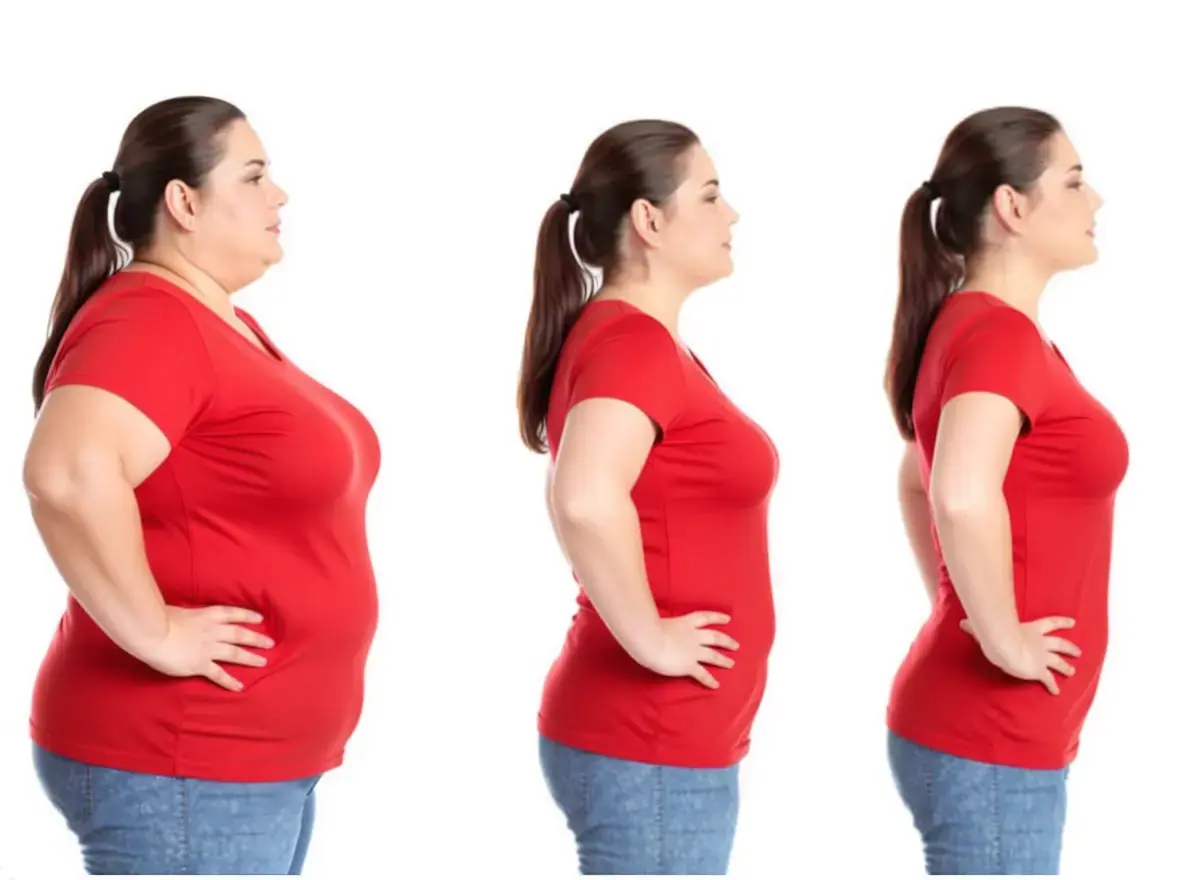 Many people think that when we lose fat, it just “burns off” or turns into energy. The reality is different—and quite surprising. When your body breaks down fat, it turns most of it into carbon dioxide and some into water. About 84% of the fat you lose leaves your body through your breath. The rest exits as water through sweat, urine, or other fluids. So, much of fat loss literally happens when you breathe.
“Your fat converts to about 84% carbon dioxide when you burn it, and then you have to breathe it out,” explains Dr. Goodbinder. “That means your breathing has a big impact on weight loss. People who are obese often breathe shallowly. Shallow breathing can cause too much carbon dioxide in the blood, a condition called hypercapnia. When that happens, your basal metabolic rate slows down. A slower metabolism means your body burns fewer calories just to survive. That makes it harder to lose weight because you have to eat less and exercise more to see results.”
The key takeaway is simple: breathe deeply. Deep breathing helps your body release fat more efficiently. Shallow breathing slows the process, so practicing mindful, full breaths can give you a better chance of losing weight and improving overall health.
Breathing properly is often overlooked in weight loss plans. Most people focus on diet and exercise alone, but the way you breathe can influence how effectively your body burns fat. By practicing deep breathing, you not only improve oxygen flow and reduce stress, but you also give your lungs the chance to expel fat more efficiently.

Remember, small habits, like improving your breathing, can make a measurable difference over time. Your lungs are doing more work than you think—they’re helping you breathe fat out of your body with every exhale.
Breast cancer is often treated as random, but biology tells a different…
The thyroid, located at the base of the neck, is a butterfly-shaped…
When the immune system mistakenly targets healthy cells and tissue, overproduction of…