
Carnivore Diet Exposed: Miracle or Mistake?
The carnivore diet has exploded in popularity, with countless testimonials claiming rapid…

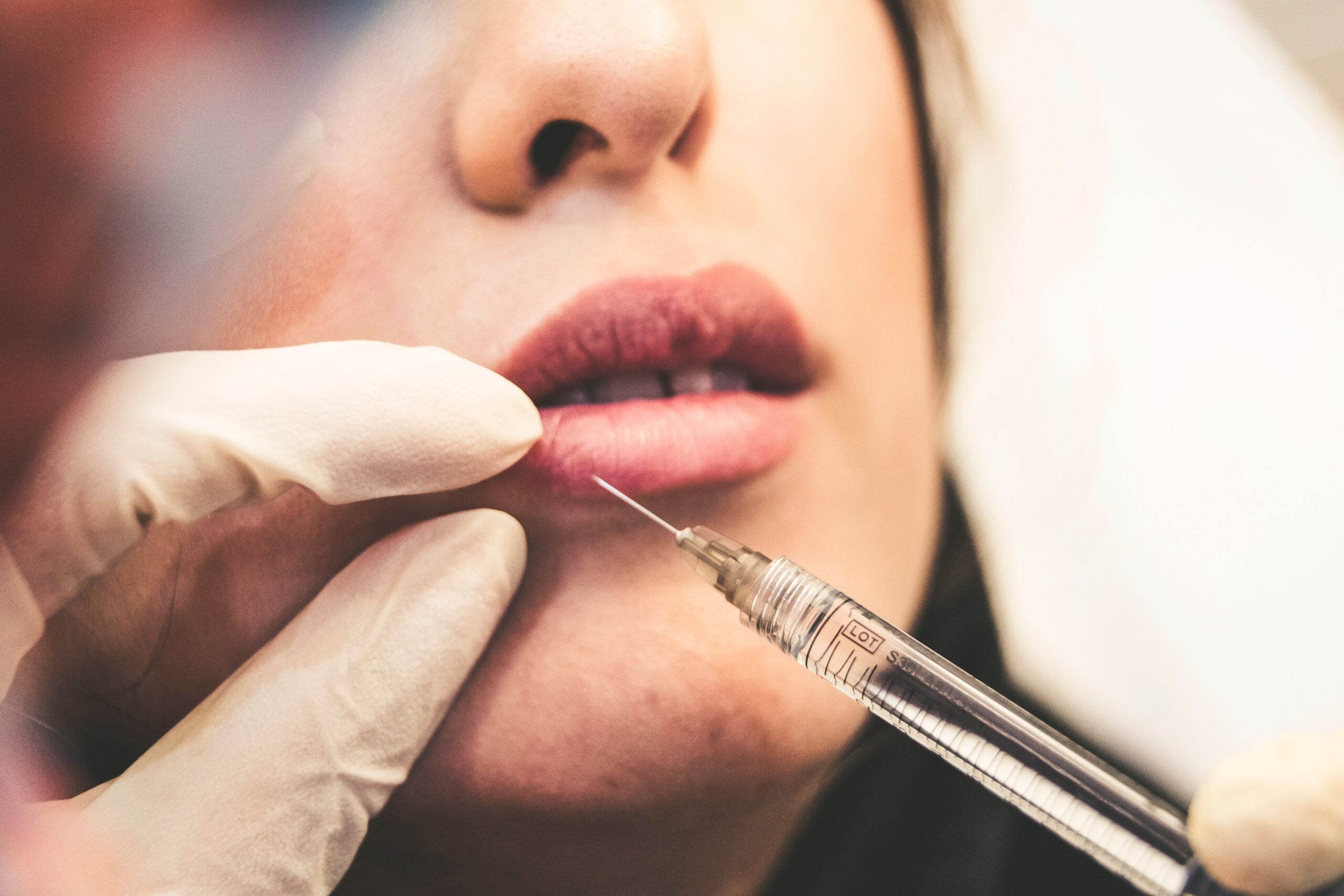
While you can’t stop the aging process, there are some cosmetic enhancements that you can get to make you feel younger and boost your self-esteem. Lip fillers, for example, are a standard procedure in America, with millions performed each year.
But of course, you’ll have questions and concerns about the healing process and the severity of potential swelling and bruising after the procedure. So let’s discuss some of the most frequently asked questions about the healing process and some of the best practices to follow after a lip filler procedure.
A lip filler procedure is a popular lip augmentation procedure to give your lips more fullness. Perhaps you’d like to keep the shape of your lips while adding more volume.Our Nurse Practitioners can carry out the procedure right in their office. The lip filler should last between nine and twelve months, depending on your metabolism and other factors.
You will be given an injection of collagen or synthetic hydraulic acid (HA) into your lips. But you won’t feel pain — instead, you might feel pressure or a tingling sensation.
To begin the procedure, your healthcare provider will numb your mouth with an anesthetic cream. Benzocaine, lidocaine, and tetracaine (BLT) are common ingredients in topical anesthesia creams. If you are allergic to the topical cream ingredients, your healthcare provider might use a nerve block.
Next, your healthcare provider will take a needle and inject the filler into parts of your lips, including:
The entire non-invasive procedure could take 30 minutes to two hours. Your healthcare provider may apply ice to help reduce swelling and bruises. Lip filler procedures have a low risk of side effects, and you will notice fuller, plumper lips as soon as the swelling subsides.
The injector that performs your lip filler procedure is the best point of contact to get your questions answered. However, here are some of the most frequently asked questions and answers about the healing process.
The amount of swelling you experience will be determined by how your body naturally reacts to injections. Swelling is common after many surgeries and is part of the body’s natural healing process.
In general, there will most likely be visible swelling for at least 24 hours. The first day or two following your procedure will likely be the most difficult. The swelling should gradually subside over the next few days and be completely gone within two weeks of the treatment.
It’s common to experience swelling and bruising after receiving lip fillers. In fact, any injectable may result in:
The most common side effects are swelling and bruising after lip fillers. The swelling should start to go down for most people in just a few days. It is best to give yourself time to heal and avoid scheduling your procedure a day before an important event if you have to attend one. If you do go out, wearing dark lipstick is an excellent way to hide any bruises.
You can help reduce swelling and bruising after lip fillers by gently applying ice to your lips. The key is not to apply too much pressure to the face, though. The swelling and bruising should go away within two weeks following your procedure. At that time, you should begin seeing the results of the lip injections.
Purple bruising after lip fillers is entirely normal, especially a few days after the procedure. Injury to the tissue in the lips is one cause of swelling and bruising. The lips also need to heal from the needle pricks. There is no universal healing process because everyone heals differently. As a result, some individuals might experience a deep purple bruise. In contrast, others might notice a yellow or brown tinge to their skin and lips. And for some people, there might be no bruising at all.
You can try to eat pineapples or drink pineapple juice to help reduce the inflammation causing the swelling and bruising. Bromelain, which is found in pineapple, has been linked to lowering inflammation after cosmetic procedures. Vitamin C is also helpful for healing. The Epigenetics Healing Center offers Vitamin C IV infusions that can help decrease inflammation and recovery time.
How Do I Treat the Swelling?
There are many different ways that you can help to minimize the swelling and shorten your recovery time. As previously mentioned, the swelling will go down daily and eventually disappear after a few weeks.
In the meantime, here are some of the best ways to treat swelling after your lip injections.
If you’re near Kansas City, Missouri or overland park , leawood, prairie village, shawnee, olathe,lenexa KS and are considering getting lip fillers, try the experts at The Epigenetics Healing Center. Dr. Goodbinder and his team offer many different aesthetic services, including for individuals who are looking to get lip augmentation but do not want to have invasive surgery. The clinic has NURSE PRACTITIONER injectors, which are the most qualified in the field of aesthetic injections.
We can set you up with a lip filler procedure that can boost your confidence. So, reach out to The Epigenetics Healing Center to experience a quick, simple procedure. Book a free consultation with one of our nurse practitioners online here.
The carnivore diet has exploded in popularity, with countless testimonials claiming rapid…
The Surprising Truth About Breathing Out Fat Many people think that when…
Breast cancer is often treated as random, but biology tells a different…